The Hidden Cost of Vehicle Damage
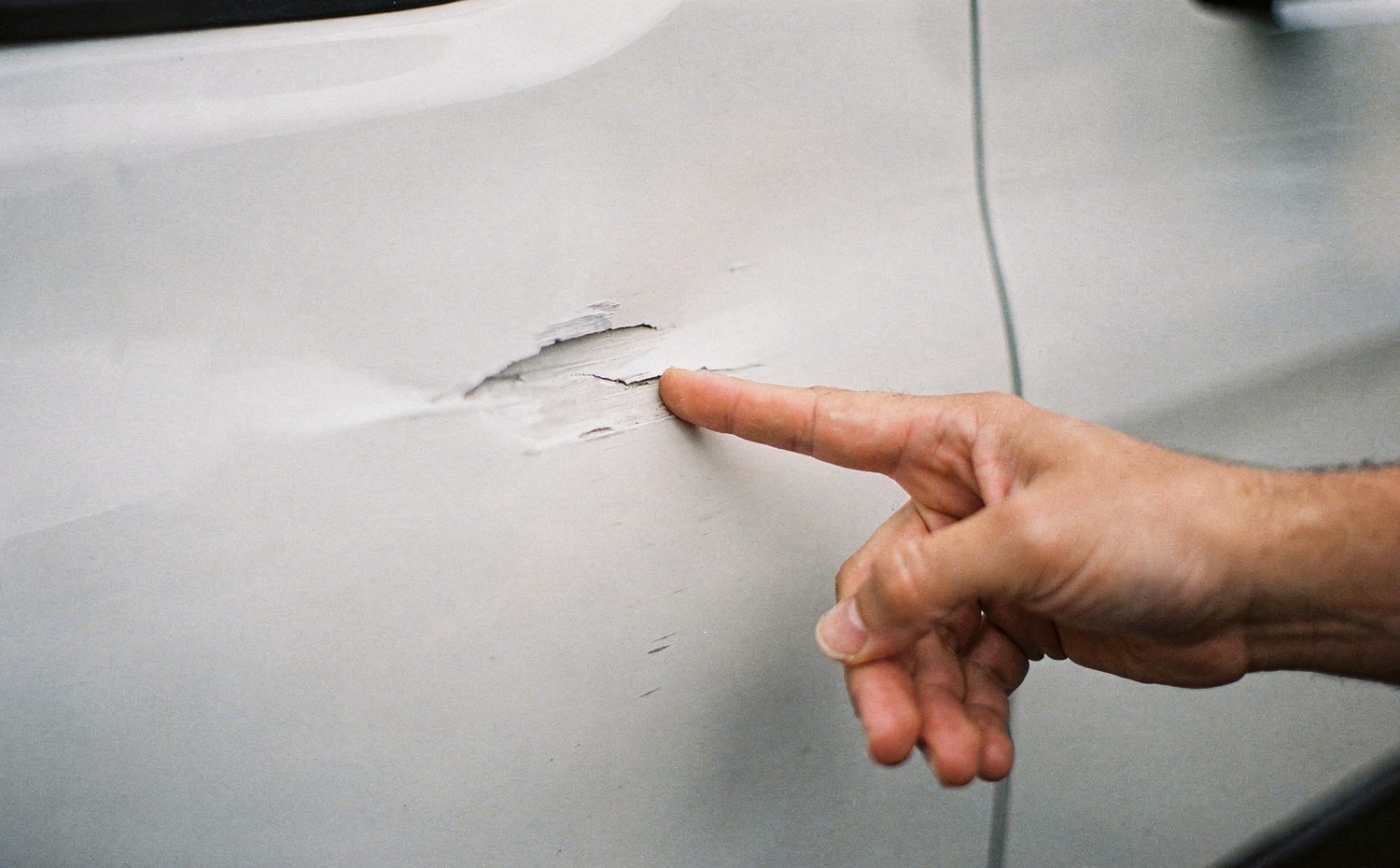
A five-centimetre scuff that nobody logged on day one becomes your bill on day thirty. Vehicle damage is one of the quietest, most avoidable drains on a delivery operation, and most operators only notice it when the invoice or the end-of-lease charge lands. Here is what it really costs, and how to stop paying for damage that was not yours.
Where the money actually goes
Unmanaged damage costs you in more places than the repair bill:
- Disputed charges. Damage flagged at handback that you cannot prove happened on someone else's watch.
- End-of-lease and end-of-contract penalties. A long list of small marks, none individually logged, all now your responsibility.
- Insurance. Claims and excess you could have attributed or avoided, feeding into next year's premium.
- Downtime. A van off the road is a round not run.
- Driver disputes. Damage no one will own, because there is no record of who had the vehicle when it happened.
Individually each one looks small. Across a fleet, across a year, they add up to real money.
Why it happens
Almost always, the same reason: no clean evidence at the right moment. Paper check sheets get skipped on a busy morning. Photos, if they are taken at all, sit on a driver's phone. Nothing is timestamped, nothing is attributed, and by the time damage is noticed the trail is cold. Without a record from the moment a vehicle was handed over, every mark is an argument you are likely to lose.
The fix is a routine, not a crackdown
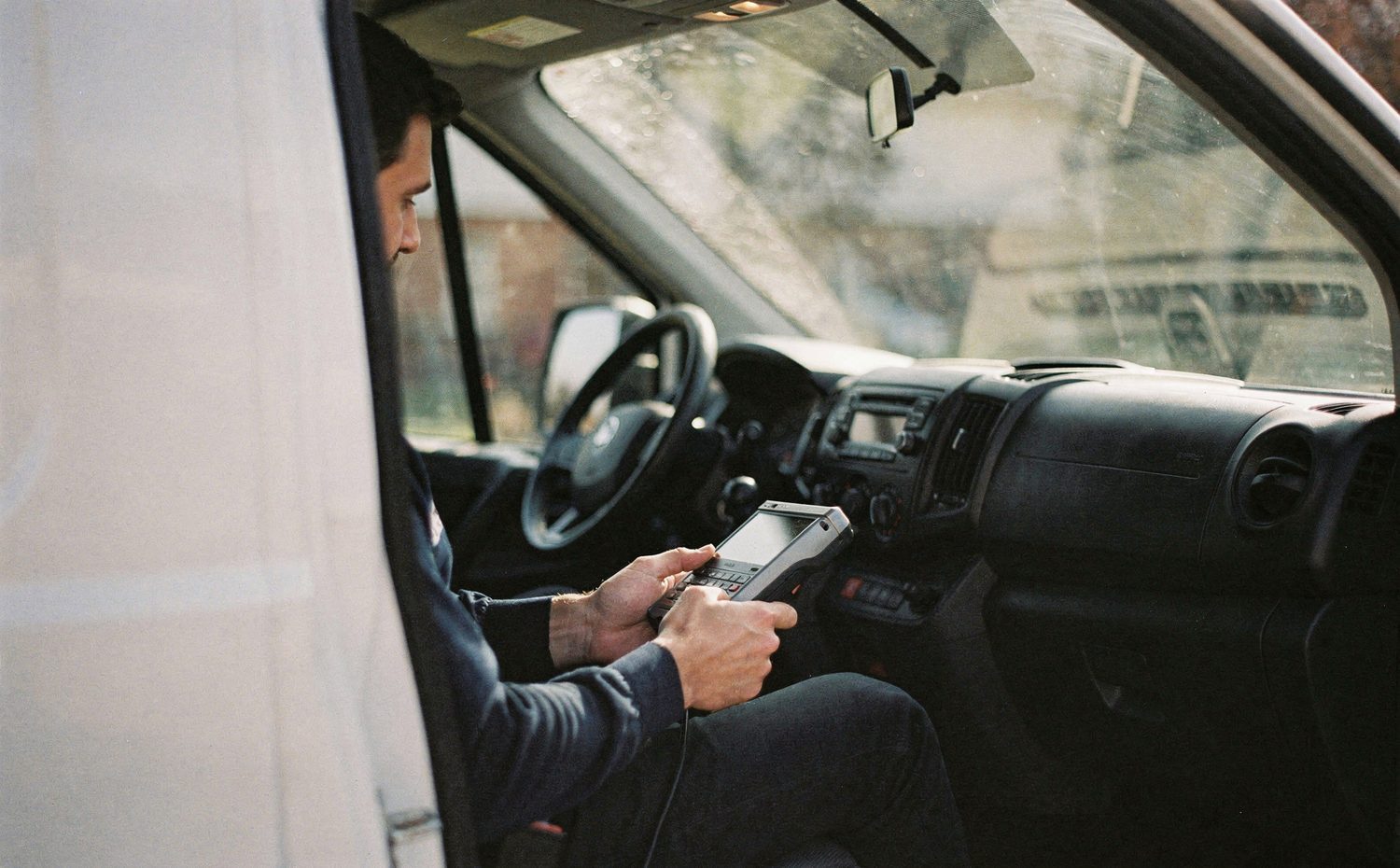
You do not need to police your drivers. You need a check-in that takes a minute and produces evidence automatically:
- A photo capture at the start and end of each vehicle's use, from the same angles every time.
- Damage scored and logged the moment it appears, attributed to the right driver and the right date.
- An audit trail that turns "I think that was already there" into "here is the photo from the eighteenth."
This is exactly what running every check-in photo through a damage model does. New damage is flagged, scored and attributed in seconds, so a scuff on day one stays logged on day one, not invoiced back to you on day thirty.
What good looks like
- Every vehicle has a dated photographic record from handover onward.
- Damage is caught early, when it is cheap, and attributed while the trail is warm.
- Handback and insurance conversations start from evidence, not memory.
- Drivers know damage is logged fairly, which cuts disputes both ways.
Damage will always happen in a delivery operation. Paying for damage that was not yours, or not catching the damage that was until it is expensive, is the part you can fix. The operators who do it turn a recurring, invisible cost into a managed, visible one. That is the whole game.